
Coil Cleaning in Dallas–Fort Worth
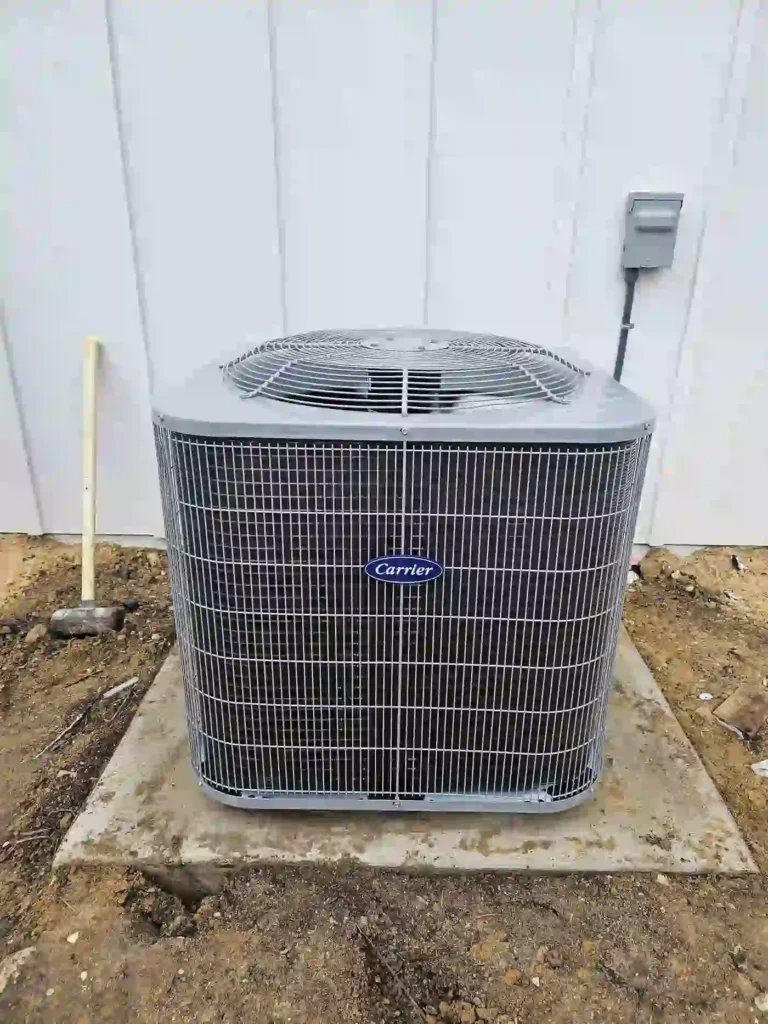
We deliver Coil Cleaning (evaporator and condenser) with safe, measurable processes to restore airflow, cut energy use, and bring comfort back to your home
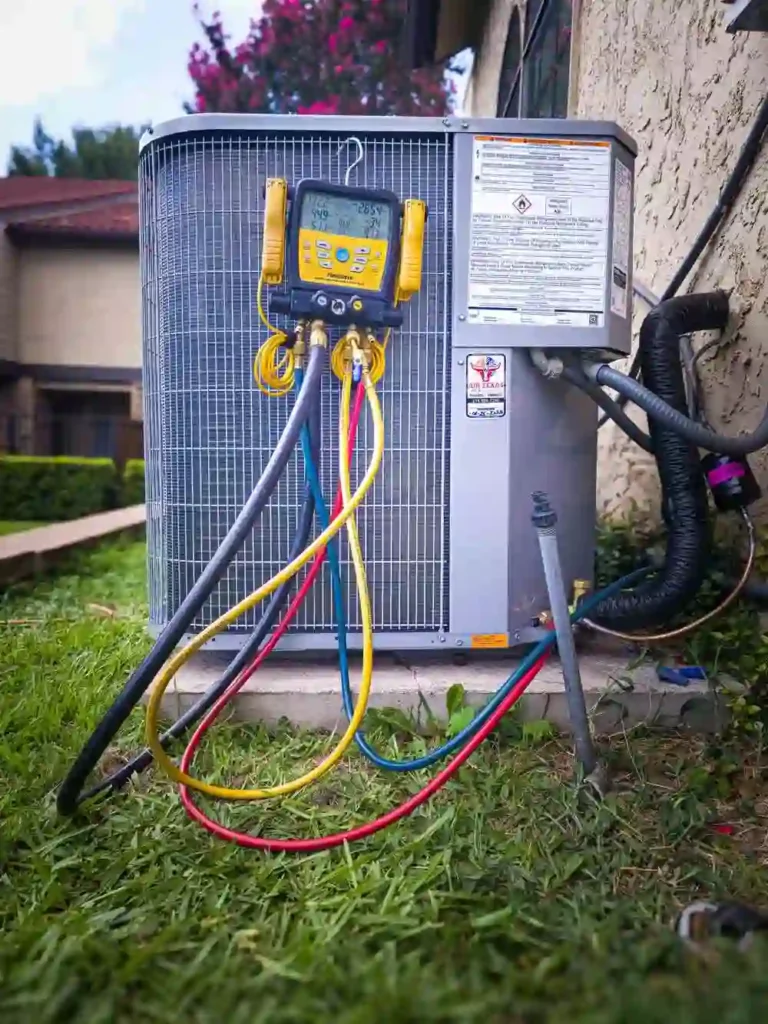
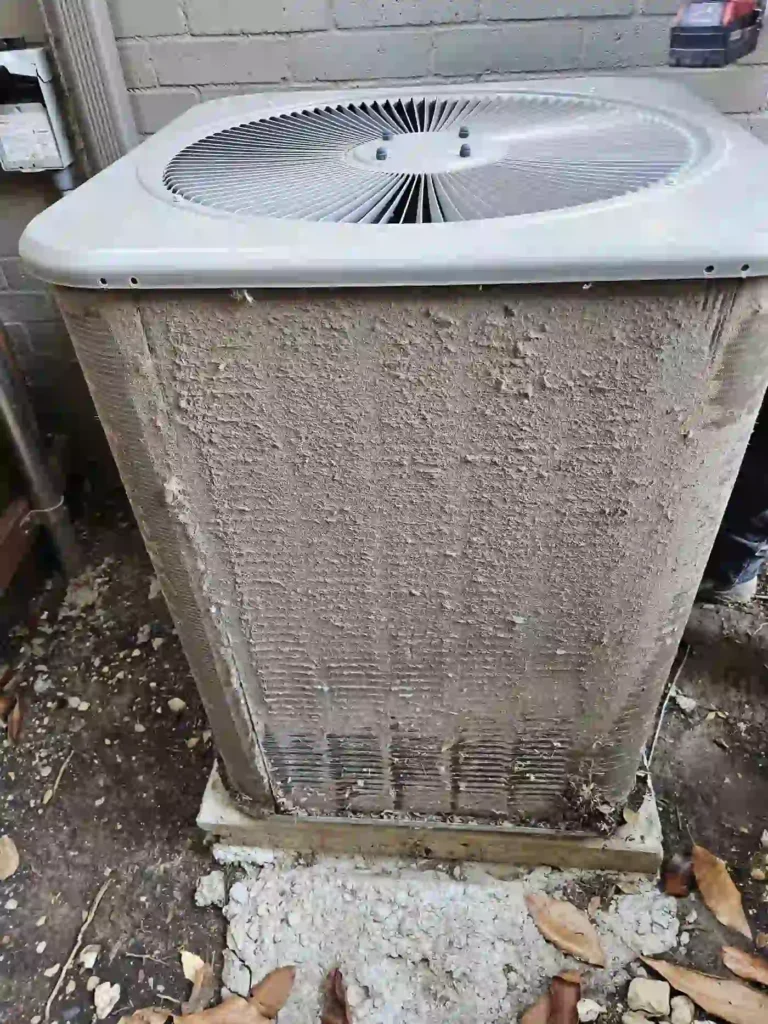
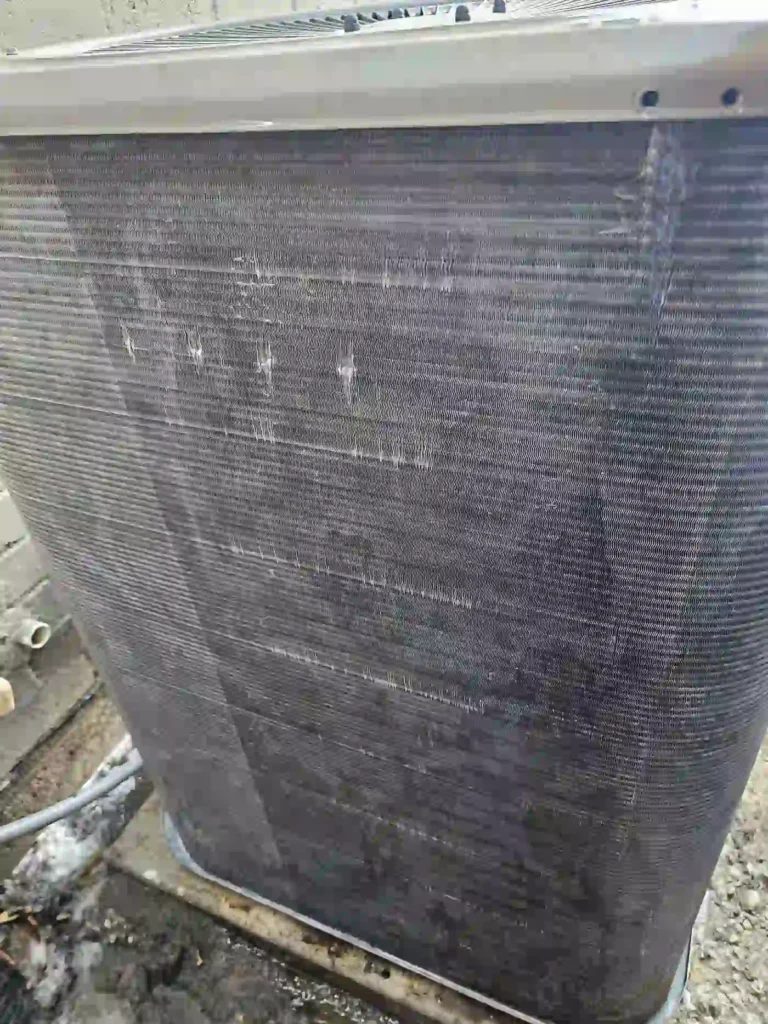
Signs your coils are dirty—and how they hurt comfort and energy
Ice on lines, long cycles, odors, and higher bills
- Ice/frost on refrigerant lines or the evaporator
- Long run cycles with slow or uneven cooling
- Odors or “stale” air
- Higher utility bills and a noisier system
From experience, many cases start with clogged filters or blocked fins. Even if brands claim “3–9 months,” in DFW we recommend changing your filter monthly to keep coils in good shape.
How often should you clean coils in DFW? + Monthly filter calendar
Filter: monthly—DFW dust, pollen, and yard work load filters fast.
Condenser (outdoor): seasonal check (spring/summer) and cleaning as dirt appears.
Evaporator (indoor): annual inspection, cleaning when readings/inspection indicate.
Local tip: after mowing or big storms, a gentle rinse on the condenser helps prevent buildup.
Pricing, timing & guarantees — straight talk
Typical duration: 60–120 minutes depending on access and buildup.
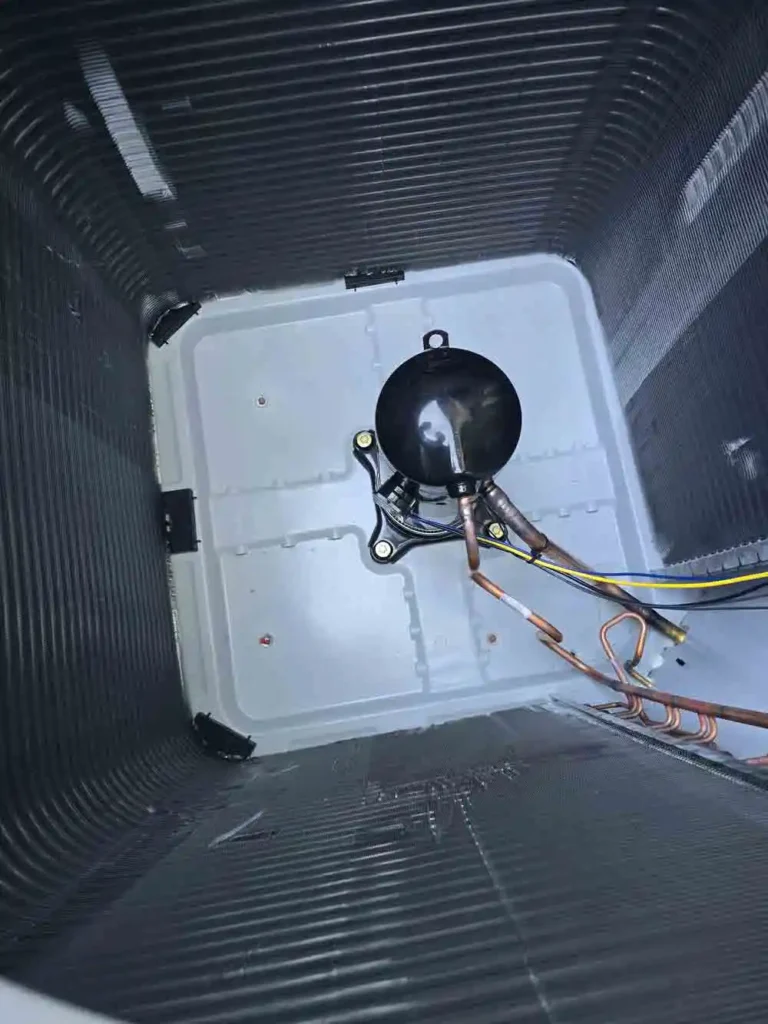
Includes: evaluation, protection, dry/wet cleaning, controlled rinse, and verified readings.
Performance guarantee: if cleaning doesn’t improve or airflow versus your baseline, we recheck at no charge to identify the cause (charge level, duct issues, thermostat, etc.).
Coil Cleaning FAQs
Why does coil cleaning lower energy use?
Clean fins reduce airflow resistance and improve heat transfer. With clean coils, the compressor works less
Can I use a pressure washer to speed it up?
No. It bends fins and can damage the coil or components. Use low water pressure and follow the fin direction—or hire a professional.
My filter says it lasts 3–9 months. Should I follow that?
In DFW we recommend monthly changes due to dust and pollen. It’s the easiest way to protect your coils.
Do you clean microchannel coils?
Yes—using non-acid cleaners and techniques specific to microchannel so fins aren’t compromised.
Do you clean both evaporator and condenser?
Yes. We define scope after we evaluate, static pressure, and the system’s condition.
SINCE 2018